-
Redefining What’s Possible in Progressive MS: A 1-Year Clinical Milestone
The transition from Relapsing-Remitting MS (RRMS) to Secondary Progressive MS (SPMS) is traditionally viewed as a shift toward a steady, gradual accumulation of disability. But what if we could halt that progression entirely—without the lifelong dependency on neurosuppressive therapies? I am incredibly proud to share a landmark clinical case from our R&D and biologics teams…
-

From Wheelchair Prognosis to Bodybuilding
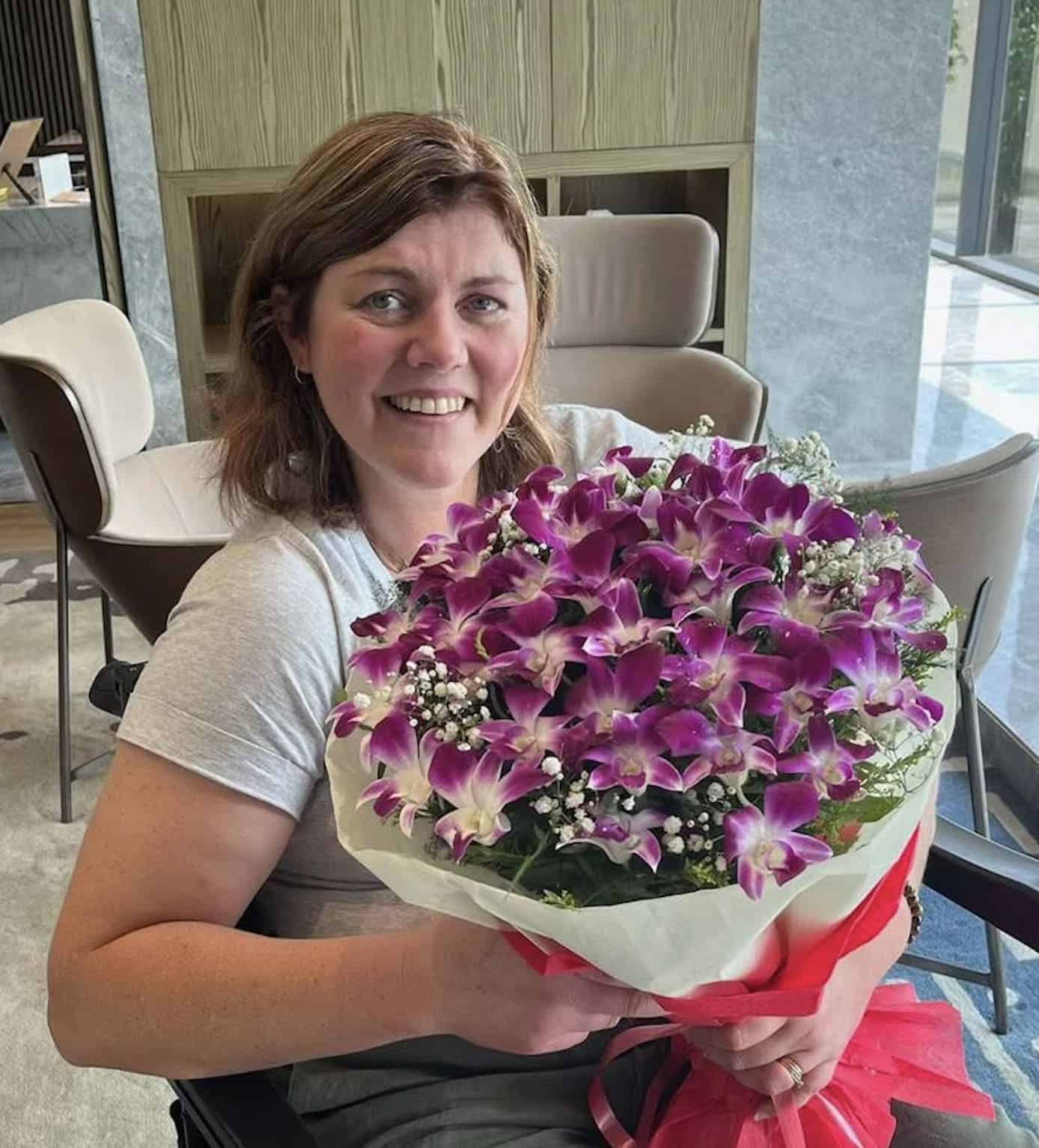
Bryce Laveck’s Sustained MS Reversal When Bryce Laveck was diagnosed with Primary Progressive Multiple Sclerosis (PPMS) at age 30, the medical prognosis was grim: doctors warned him that he would soon use a wheelchair. Instead of accepting this one-dimensional outlook, Bryce decided to take control of his health. This choice ultimately led to a 14-year…
-
A Historic Record – Treating EDSS 9.5
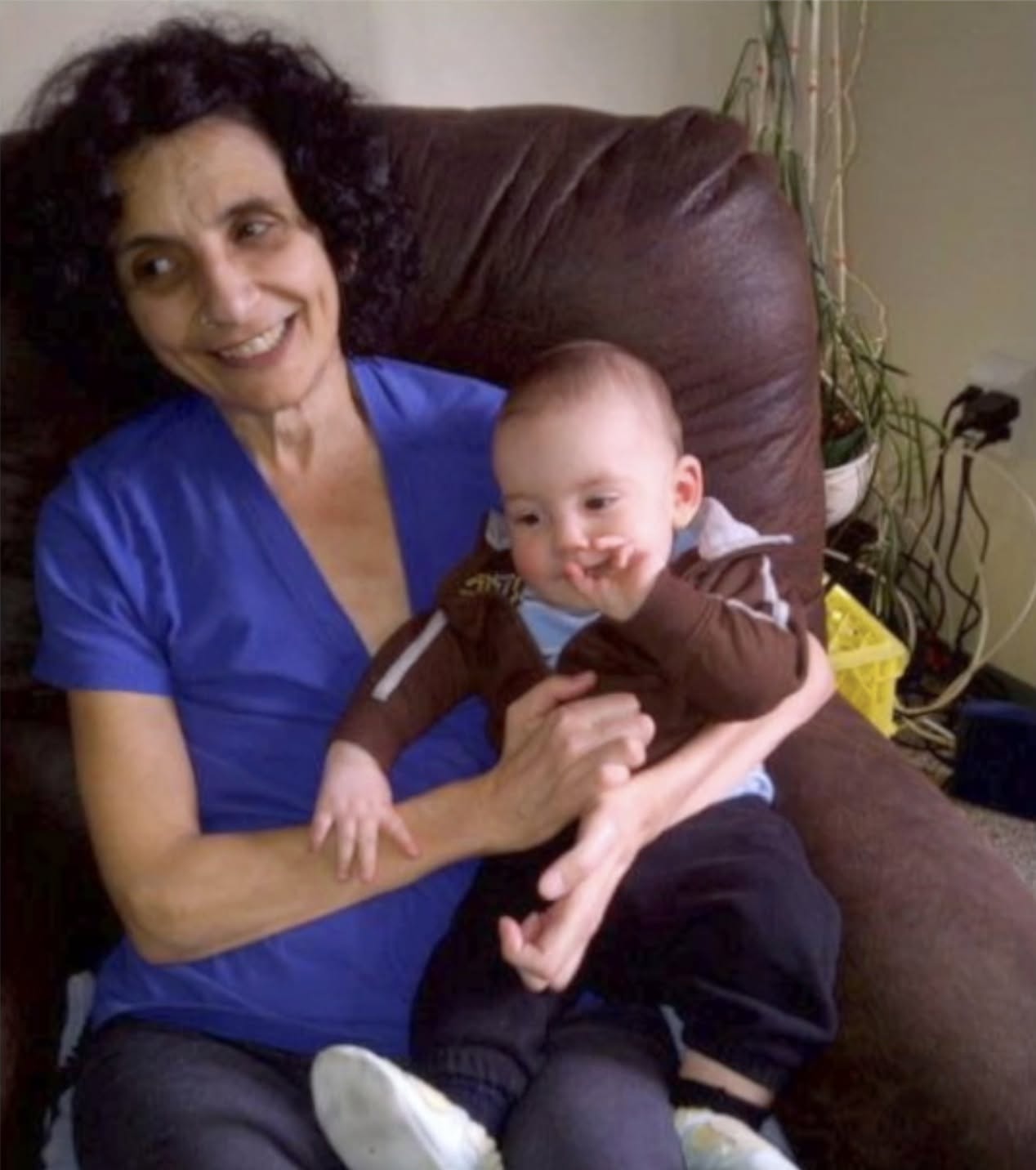
Deb O’Connell, from Vancouver, British Columbia, was diagnosed in 1996 with a rare progressive neuromuscular disorder that caused severe motor and autonomic dysfunction. She exhibited symptoms typical of multiple sclerosis, bulbar symptoms consistent with ALS, and parkinsoniandeficits such as slow movement (bradykinesia), rigidity, tremor, postural instability, and extreme difficulties with gait and balance. By the advanced stage of EDSS 9.5, Deb was non-ambulatory…
-

7 Years, No Meds, and an EDSS from 5 to 0
In April 2018, Kristen was diagnosed with RRMS. Her progression was aggressive; severe relapses left her bedridden and eventually dependent on a wheelchair. With an Expanded Disability Status Scale (EDSS) score of 5, her lesions were turning fibrotic, and her mobility was severely compromised.
-
PPMS Breakthrough in 9 months
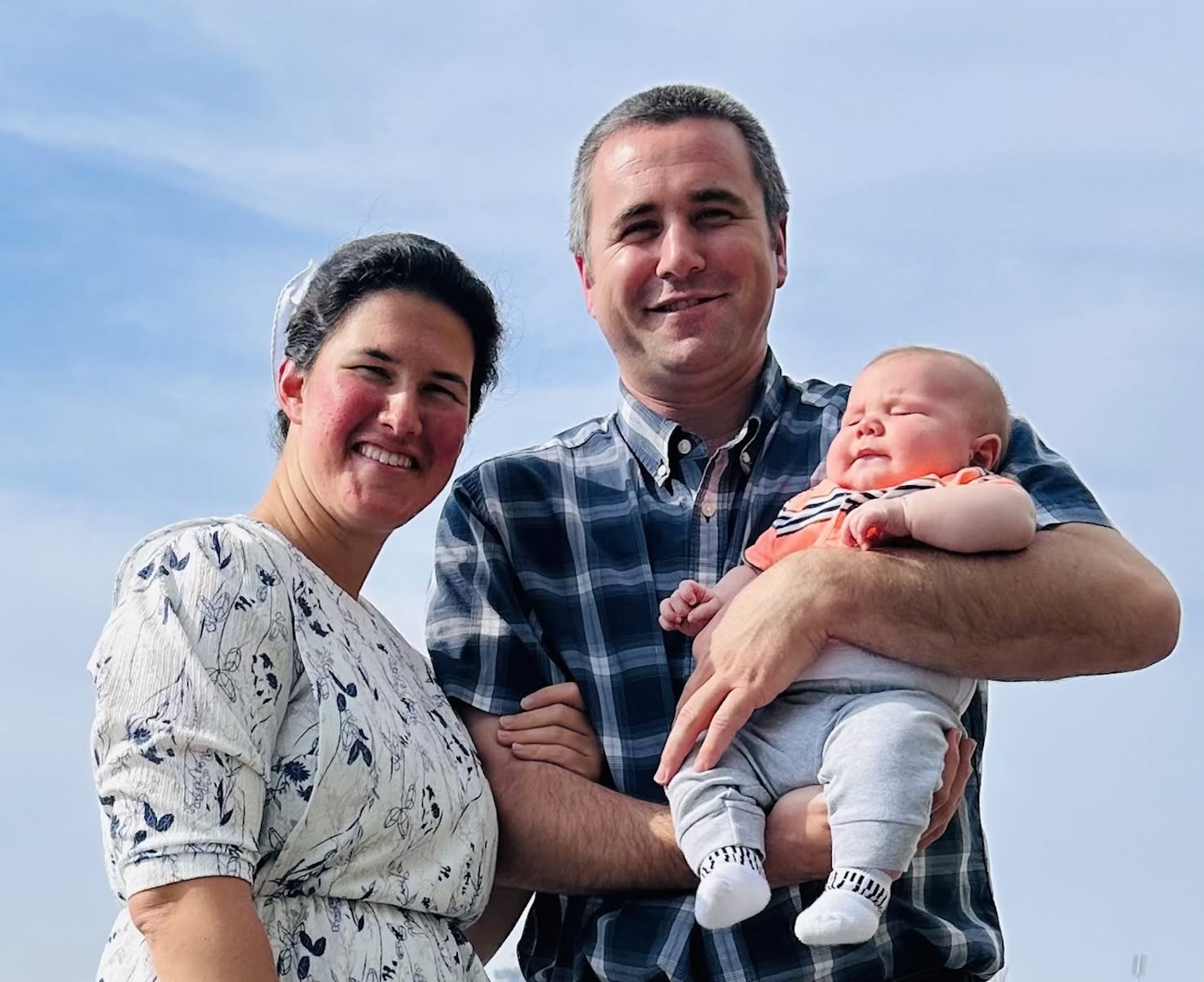
Breakthrough in 9 months – Primary Progressive Multiple Sclerosis (PPMS) Congratulations Michael. The case of Michael Witmer, diagnosed with PPMS in April 2025, demonstrating a significant shift in restorative neurology with confirmed NEDA status (No Evidence of Disease Activity) and structural lesion remission. Double Objective Evidence of Success: Key Highlights: This case challenges the necessity of chronic, life-long…
-
6-Year Remission in a Complex, Multi-Comorbid MS Patient
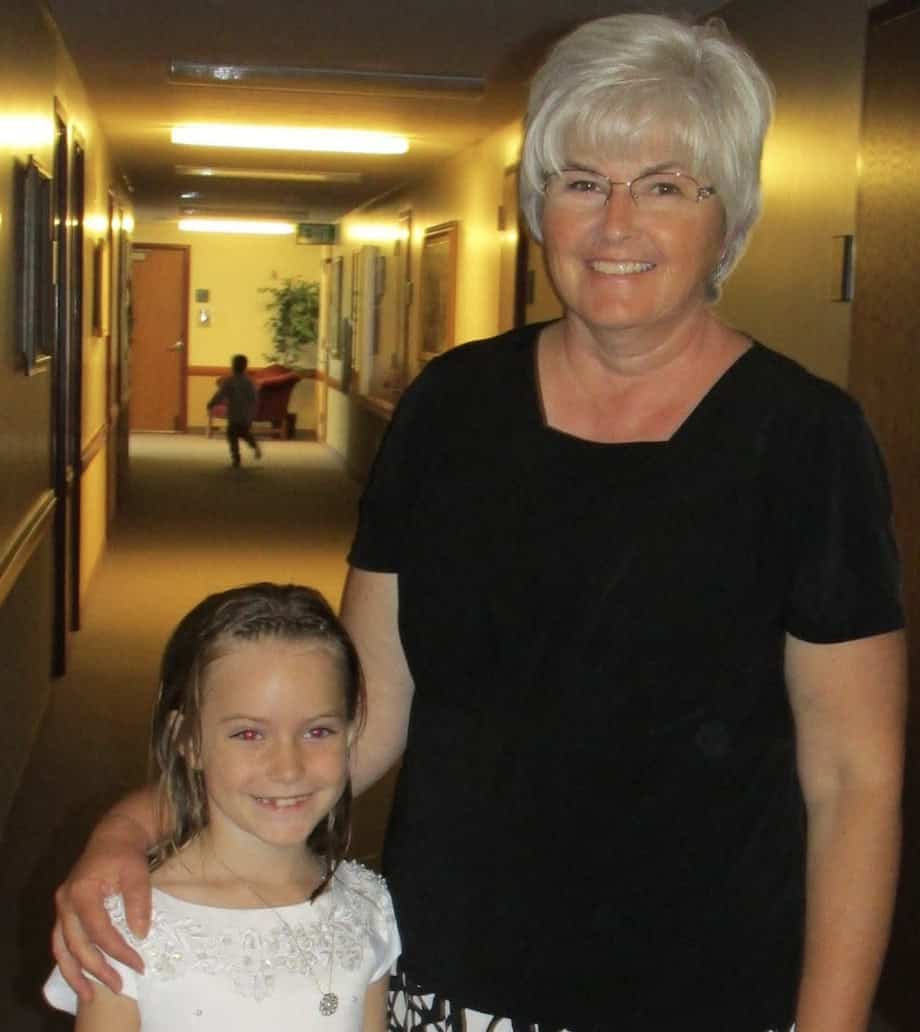
Category: Clinical Case & Protocol Review Subject: Longitudinal Analysis of Targeted Cerebrovascular Neural Regenerative Therapy Core Metrics: EDSS Reduction from 6.0 to 2.5; Verified 5-Year Radiographic Stability; Discontinuation of Traditional Disease-Modifying Therapy (DMT). Executive Case Summary This clinical review evaluates the 6-year longitudinal trajectory of Cindy Bodily, a patient diagnosed with Relapsing-Remitting Multiple Sclerosis (RRMS) in 1994. In January 2020, presenting with…
-

EDSS 3 to 1 Sustained for Three Years post-Stem Cell Therapy
Lymphovenous Obstruction in Multiple Sclerosis For the past three years, Shaun Salen, the administrator of this MS support group, has exhibited sustained well-being following a specialized cellular regenerative protocol for Multiple Sclerosis. Despite subsequent intercurrent medical conditions that placed physiological stress on his system, his MS has remained effectively managed, suggesting a durable reparative effect…
-
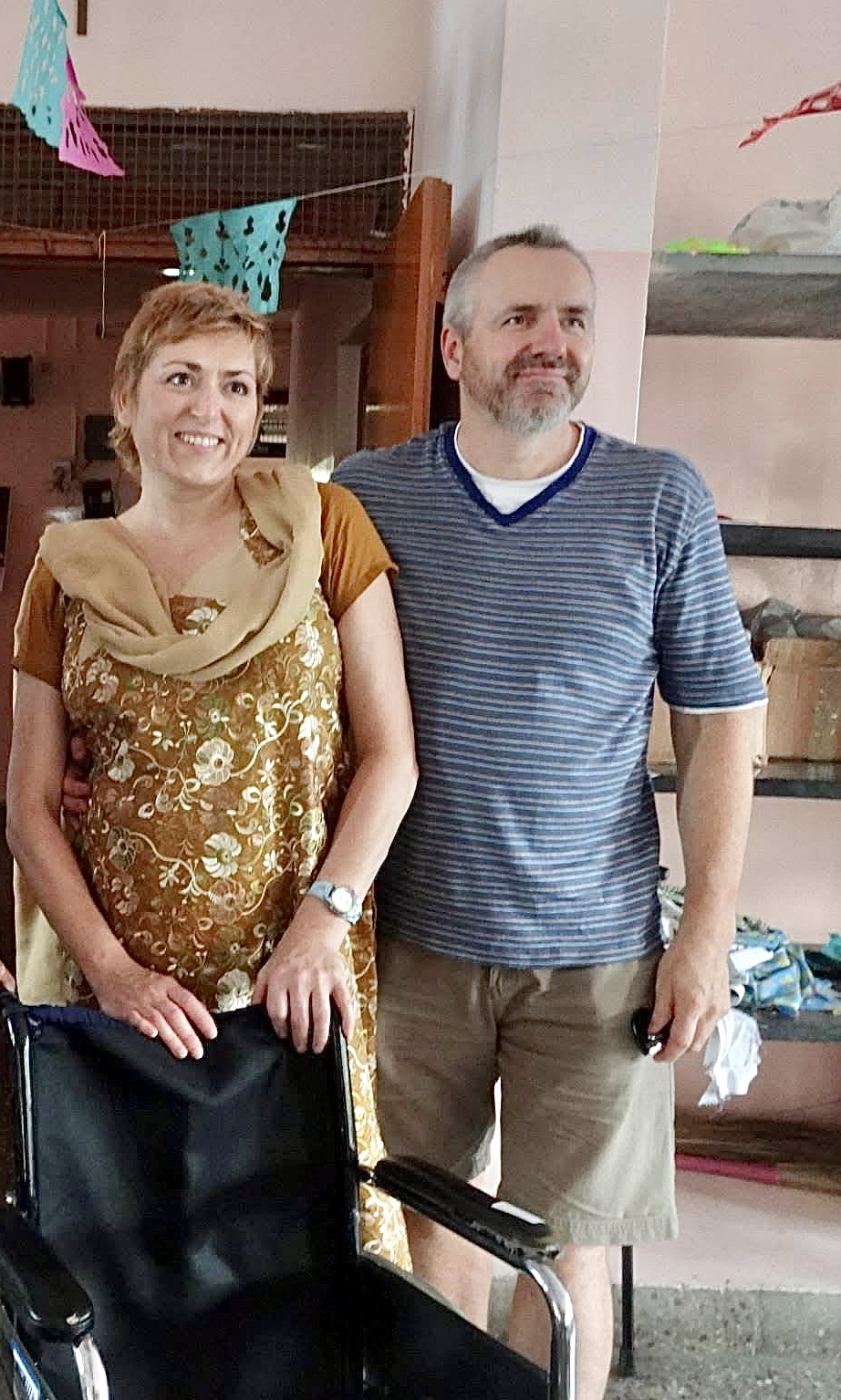
Sustained Arrest of PPMS for Over a Decade
How Linda Halted Her Primary Progressive MS and Journeyed Back from EDSS 6.5 The clinical management of primary progressive multiple sclerosis (PPMS) often presents a significant challenge due to its characteristic relentless progression. This case study details the remarkable 11-year sustained halt in disease progression in a patient diagnosed with PPMS, accompanied by evidence of lesion…
-

EDSS improved from 3.5 to 0 over 18 months
A halt in multiple sclerosis; EDSS improved from 3.5 to 0 over 18 months; consistent improvement maintained for 3 years Cindy, a 43-year-old female diagnosed with relapsing-remitting multiple sclerosis (MS), underwent a selective neural stem cell placement protocol in October 2022. This therapy aimed to address her condition and has shown significant results over the…
-

In a year – EDSS 2.5 to Zero: symptom-free and medicine-free
This case highlights the potential of modern experimental medicine in treating autoimmunity and neurodegeneration. Mee-Len was diagnosed with relapsing-remitting multiple sclerosis (RRMS) in 2018. In January 2023, she underwent cerebrovascular preconditioning and neurogenesis selective cellular transplant protocols. Over the following year, she experienced significant improvement in her symptoms and a halt in disease progression, as…