A disturbing trend is emerging: unregulated “stem cell spas” offering purported treatments for multiple sclerosis (MS), ALS, Parkinson’s, stroke, and other debilitating neurological conditions. These clinics conveniently located at tourism destinations, often operating outside of established medical systems and ethical guidelines, prey on the desperation of patients seeking hope, promising miraculous cures with unsubstantiated claims. This article aims to expose the deceptive practices of these entities and warn patients about the significant risks involved.

Key Indicators of Deceptive Practices
1. Inappropriate Intravenous (IV) Administration:
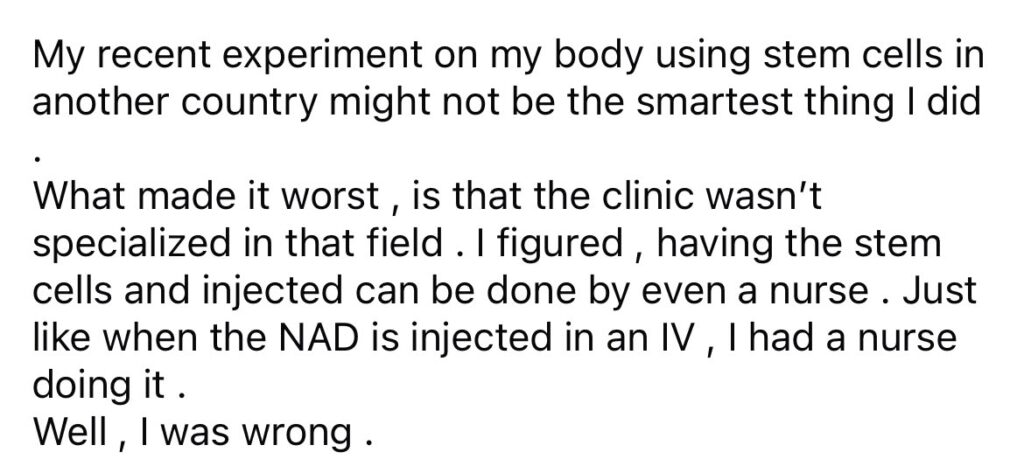
- These clinics rely heavily on IV infusions, a method unsuitable for delivering cellular therapies to targeted neural tissues.
- IV administration is designed for systemic delivery of chemical drugs, not the complex delivery of living cells.
2. Luxurious “Spa” Environment:
- Emphasis on opulent amenities and superficial comfort rather than rigorous medical protocols and clinical infrastructure.
- This prioritizes aesthetics over patient safety and treatment efficacy.
3. Absence of Baseline Imaging and Objective Clinical Follow-up:
- Lack of standardized assessments to measure treatment outcomes, such as MRI scans or validated neurological examinations.
- This makes it impossible to determine if any perceived improvements are genuine or merely placebo effects.
4. Promotion of Unproven “Add-on” Therapies:
- Offering irrelevant services like vitamin drips, hyperbaric oxygen therapy, red light therapy, and abrupt electromagnetic stimulation, which lack scientific validation for neurological conditions.
- These distract from the lack of proven cell therapy.
5. Use of Anti-Inflammatory/Antihistamine Drips:
- Administering these drugs to suppress potential immune reactions to the cellular products, indicating a lack of confidence in the safety and suitability of the cells for patients with autoimmune disorders like MS.
6. Lack of Scientific Characterization and Rationale:
- Failure to provide detailed information about the cell source, viability, characterization, and mechanism of action.
- No clear justification for the chosen administration method or clinical applicability.
7. Emotional and Misleading Language:
- Employing non-scientific terms like “cute/little/baby stem cells,” “magical,” or “guiding exosomes” to manipulate patients’ emotions.
- This is a tactic to bypass critical thinking, for example, ‘engaging’ wheelchair-bound or atrophied patients to gain audience sympathy.
8. Exploitative Patient Testimonials, Social media influencers and Fear-Based Marketing:
- Utilizing emotionally charged stories and creating a fear of missing out to pressure patients into undergoing treatment.
- Gathers a large audience, typically consisting of vulnerable individuals, seeks personal attention as a fellow patient through sympathy. These are known as social media influencers
- Appears illiterate about technical details. Ignores intelligent questions.
- This preys on the vulnerable.
9. Dangerous Intrathecal Procedures outside of Hospital settings:
- Performing intrathecal injections without proper medical infrastructure, leading to high risksof serious complications like post-dural puncture headaches and infections.
- Discharging patients shortly after these procedures is gross negligence.
The Dangers of Unproven Therapies
- Financial Exploitation: Patients are often charged exorbitant fees for cheap drips and injections.
- Physical Harm: Unknown cell products can cause adverse reactions, infections, and other complications.
- Delayed Access to Evidence-Based Care: Patients may forgo proven treatments, leading to disease progression and forced, irreversible fibrosis.
- Erosion of Trust in Legitimate Research: These practices undermine the credibility of legitimate stem cell research.
- Lack of regulatory oversight: Spa treatments are not regulated as medical treatments.
The Importance of Evidence-Based Medicine
- MS and other neurological disorders are complex conditions requiring specialized medical care.
- Effective treatments focus on addressing the underlying disease mechanisms and providing comprehensive support.
- Patients should prioritize treatments backed by scientific evidence and conducted by qualified medical professionals.
Recommendations for Patients
- Demand scientific rationale supporting any proposed treatment.
- Exercise skepticism towards “miracle cures” and emotionally charged marketing by social media influencers impersonating patients.
- Verify the credentials and licensing of any healthcare provider.
- Be aware that medical procedures should happen in medical facilities.
Conclusion
Patients with neurological disorders must be vigilant and prioritize evidence-based medicine over unproven and potentially harmful therapies. These “stem cell spas” exploit vulnerable individuals, offering false hope and posing significant risks. By understanding the deceptive tactics employed by these clinics, patients can make informed decisions about their healthcare and seek safe and effective treatments.