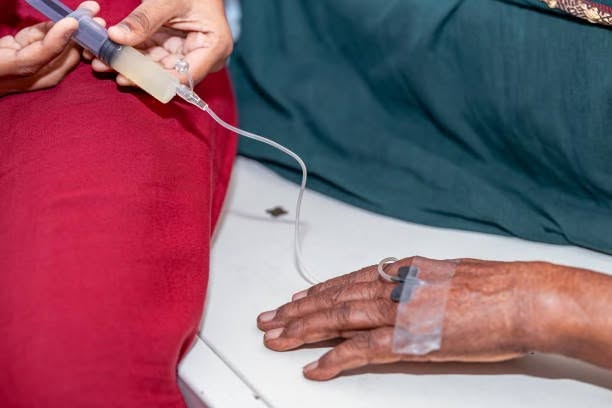
While the intravenous (IV) administration of mesenchymal cells (MSCs) might seem convenient, especially in non-clinical settings like spas, it presents significant limitations and potential risks that undermine its therapeutic value. This method, often favored for its perceived simplicity, is fundamentally ill-suited for the complex nature of cellular therapies.
Misaligned Delivery for Cellular Therapies
Unlike chemical medicines designed for systemic distribution, cellular medicine relies on the precise interaction of living cells with specific biological environments. MSCs are not inert substances; they need to remain viable and engage with local cytokines to exert their intended therapeutic effects. IV administration, by its very nature, is a broad, untargeted approach. This contrasts sharply with the selective administration often required for optimal cellular engagement. The ease and lower cost associated with IV delivery unfortunately make it an appealing, though often inappropriate, choice for non-clinical entities.
Pulmonary Barrier – A Major Hurdle
A primary physiological limitation of IV MSC administration is the entrapment of cells within the pulmonary vasculature. Mesenchymal cells are significantly larger than typical blood cells. As a result, a substantial portion of the administered cells can become physically lodged in the lung’s intricate capillary network. While some smaller cells might bypass this barrier, their numbers are often insufficient to achieve a clinically meaningful impact on the target disorder. This means a large percentage of the potentially therapeutic cells may never reach their intended destination.
The Critical Role of Cell Viability and Immunogenicity
Allogeneic MSCs, derived from a donor, are generally considered least immunogenic, making them a relatively safe option for transplantation. However, this low immunogenicity is contingent upon the cells remaining alive and functional. The therapeutic benefit of MSCs—their ability to modulate immune activity and promote healing—hinges entirely on their viability.
Unfortunately, the journey through the bloodstream via IV infusion, coupled with potential handling issues in non-clinical settings, can severely compromise cell viability. Dead cellular products, debris, and decomposed proteins offer no therapeutic advantage.Worse still, the presence of these non-viable components can trigger significant and potentially severe immune responses, transforming a promising therapy into a hazardous procedure.
A Drop in the Ocean
The current practice of IV MSC administration in spas often involves quantities that are minimal for this route. When combined with the challenges of pulmonary and renal entrapment and low in-vivo viability, the actual number of live, functional cells reaching the target site is likely negligible. This renders the intervention largely ineffective while simultaneously introducing the risk of adverse reactions from dead cell debris.
In conclusion, while the allure of convenient intravenous administration is undeniable, particularly for non-clinical providers, it significantly undermines the potential of allogeneic mesenchymal cell therapies. For these living cellular products to be effective and safe, their administration must prioritize targeted delivery, ensure high cell viability, and be conducted within a robust clinical framework that can manage potential immunological responses.